The January Tiredness No One Talks About in Teaching (And Why It Feels So Heavy)
January is supposed to feel like a fresh start.
New term. New year. Clean timetables. A sense of motivation is returning after the holidays.
But for many teachers, January doesn’t feel energising at all.
It feels heavy.
This kind of January tiredness is often the early warning sign of teacher burnout, even in experienced educators.
If you’ve returned to the classroom already tired, you’re not doing anything wrong. You’re experiencing something very real and very common that rarely gets named in education.
January Isn’t a Reset. It’s a Restart on Empty
By the time January arrives, teachers haven’t just finished a term.
They’ve finished the longest, most demanding stretch of the year.
For many teachers across UK schools, the spring term begins before the exhaustion of autumn has fully lifted.
Autumn term carries:
New classes and routines
Behaviour management resets
Reporting deadlines
Dark mornings and shorter days
Emotional labour that quietly accumulates
The holidays help, but they don’t magically refill everything.
Rest doesn’t erase fatigue overnight. And returning straight into expectations, pace, and pressure can feel like starting again before you’ve fully recovered.
That lingering exhaustion?
That’s not a lack of motivation.
It’s cumulative tiredness.
Why This Tiredness Feels Different
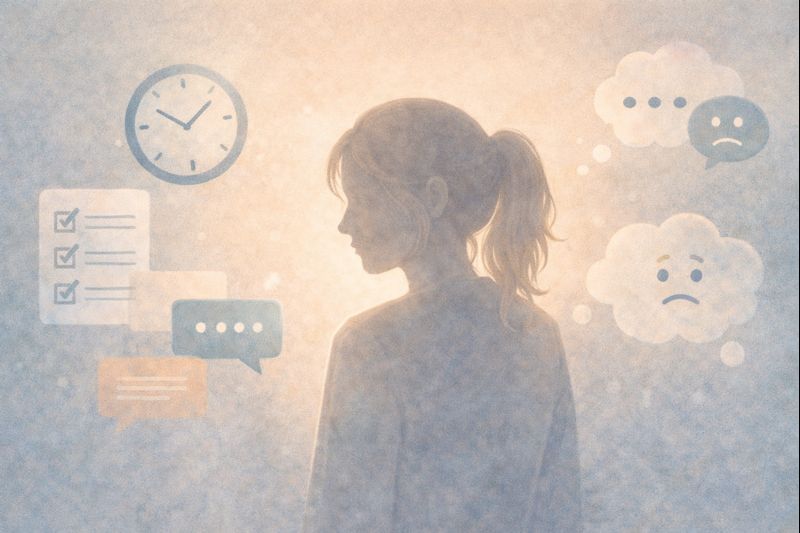
January tiredness isn’t just about sleep.
It’s:
Mental load that never fully switches off
Decision fatigue from constant planning and prioritising
Emotional carryover from pupils who also struggled at the end of the term
The pressure to “start strong” when energy is still low
And because teaching culture often celebrates resilience, many teachers quietly push through, assuming this is just how January is meant to feel.
But constant pushing is how burnout quietly grows.
You’re Not Behind. You’re Human
One of the hardest parts of January is the comparison.
You might see:
Colleagues diving into new initiatives
Social media full of “fresh start” energy
Messages about raising standards or hitting the ground running
Meanwhile, you’re just trying to get through the week without feeling overwhelmed.
That doesn’t mean you’re behind.
It means you’re human in a demanding profession.
Teaching doesn’t pause for recovery, but that doesn’t mean recovery isn’t needed.
What Helps in January (That Isn’t “Do More”)
January doesn’t need reinvention.
It needs stability and gentleness.
A few realistic resets that help many teachers:
1. Lower the Bar (Temporarily)
This isn’t about lowering standards.
It’s about pacing.
Clear lessons > creative ones
Consistent routines > new systems
Good enough > perfect
Your classroom doesn’t need brilliance in January.
It needs to be calm.
2. Protect Your Energy, Not Just Your Time
Time management helps, but energy management matters more.
Ask:
What genuinely needs my attention this week?
What can be simpler?
What can wait until February?
Every “no” protects energy for something that truly matters.
3. Let Tools Carry the Weight Where They Can
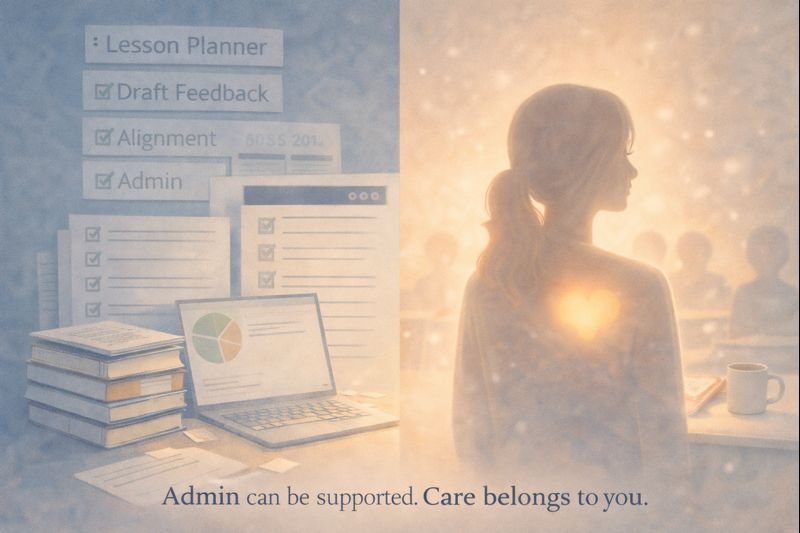
Teaching will always require judgement, care, and connection.
But not everything needs a human brain at full stretch.
Planning frameworks, draft feedback, alignment checks.
These are areas where support tools can reduce cognitive load, especially when mental energy is low.
That’s where Dolly fits in quietly.
Not as a push for productivity, but as a way to make January lighter.
A Kinder Way to Move Through January

January doesn’t need to be conquered.
It needs to be navigated.
You don’t need to feel motivated every day.
You don’t need to be “back to normal” yet.
You don’t need to prove anything.
You’re allowed to move steadily.
You’re allowed to conserve energy.
You’re allowed to ask for support from colleagues, from systems, from tools designed with teachers in mind.
And if January feels harder than expected, you’re not failing.
You’re simply feeling the part no one talks about.
If you’re looking for ways to reduce planning, marking, and admin pressure while you find your footing this term, Dolly is here to support you. Quietly, flexibly, and built around the reality of UK classrooms.
Explore how Dolly supports teachers; godolly.ai.